- 818-640-8649
- Burbank CA
- 09:00 – 06:00 pm

Learning to Drive as an Adult: What to Expect in Lesson One

6 Hours vs 10 Hours of Teen Driving Lessons: What Parents Should Book?
March 17, 2026
Adult Driving Lessons vs Practicing With Family: Pros and Cons
March 17, 2026
Guide
Learning to Drive as an Adult: What to Expect in Lesson One
Adult beginners usually worry about two things on the first lesson: feeling embarrassed and feeling overwhelmed. A good first session should reduce both. It should start simple, move at a realistic pace, and leave you with a much clearer idea of what the next lesson should focus on.
The lesson usually starts with comfort, not pressure
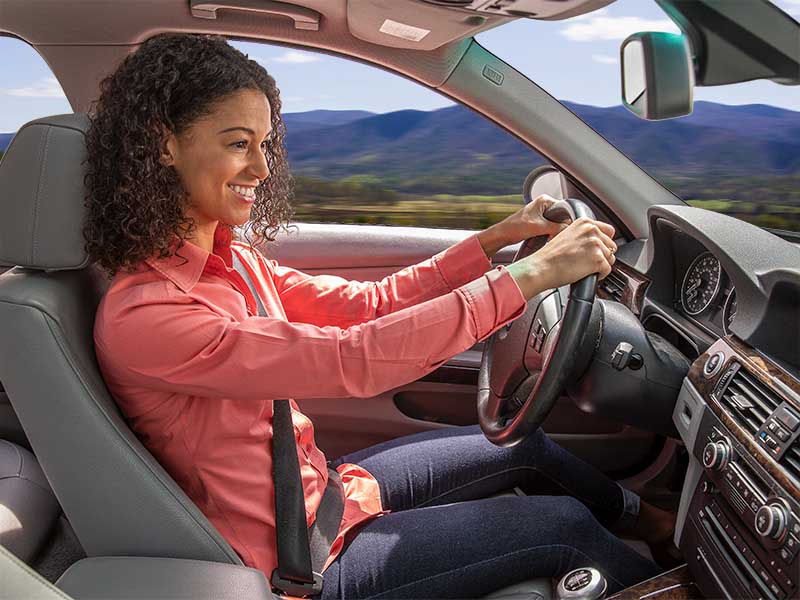
A strong instructor will begin by helping you feel physically settled in the car. That often means seat position, mirrors, hand placement, pedal feel, and a quick explanation of how the lesson will work.
If you are very new or very nervous, the instructor will usually choose an easier route first so you can focus on basics without heavy traffic getting in the way.
The first skills are usually simple but important
Most adult first lessons begin with steering control, braking, speed awareness, stop signs, and simple turning. These basics matter because they create the foundation for everything else that comes later.
Even if the lesson feels simple, that does not mean it is too easy. It means the instructor is building safer habits instead of rushing you.
What adult learners often notice right away
Many adults discover that the hardest part is not moving the car. It is learning how much to look, when to make decisions, and how to stay calm while doing several things at once.
That is completely normal. The first lesson often reveals where you need more repetition, whether that is observation, turning, parking, or just confidence in light traffic.
What makes the first lesson more useful
The first session goes better when you are honest about your starting point. If you are nervous, say so. If you practiced before, say that too. The more clearly the instructor understands your real comfort level, the better the lesson can be tailored.
It also helps to view the session as a plan-building lesson rather than a final judgment.
- If confidence is your biggest issue, nervous-driver lessons may be the better fit.
- If you want more one-on-one flexibility, compare private lessons too.
What the next step usually is
By the end of the lesson, you should know whether you need more beginner work, a refresher plan, targeted parking and traffic practice, or later road-test preparation.
That clarity is one of the biggest benefits of a good first lesson. It replaces guesswork with a better next step.
Why adults often learn differently
Adults usually bring more self-awareness to the lesson, which can be helpful, but they also tend to judge themselves more harshly. That can make a normal learning moment feel bigger than it really is.
The good news is that adults often improve quickly once they trust the process. A patient lesson pace, clear explanations, and repetition on real-life routes can turn early tension into steady progress.
Frequently asked questions
Is it harder to learn as an adult?
It can feel different, but many adults learn very well once they settle into a pace that suits them.
Can adult lessons focus on errands and everyday routes?
Yes. Practical routes often make learning feel more relevant and easier to apply outside the lesson.
What if I am embarrassed about being older and still learning?
That feeling is common, but it should not stop you. Many adults learn later and do very well with structured support.
Ready for the next step?
If you are ready to start driving as an adult, the first lesson should feel manageable, useful, and clear about what comes next.