
Why timing matters so much for adult beginners
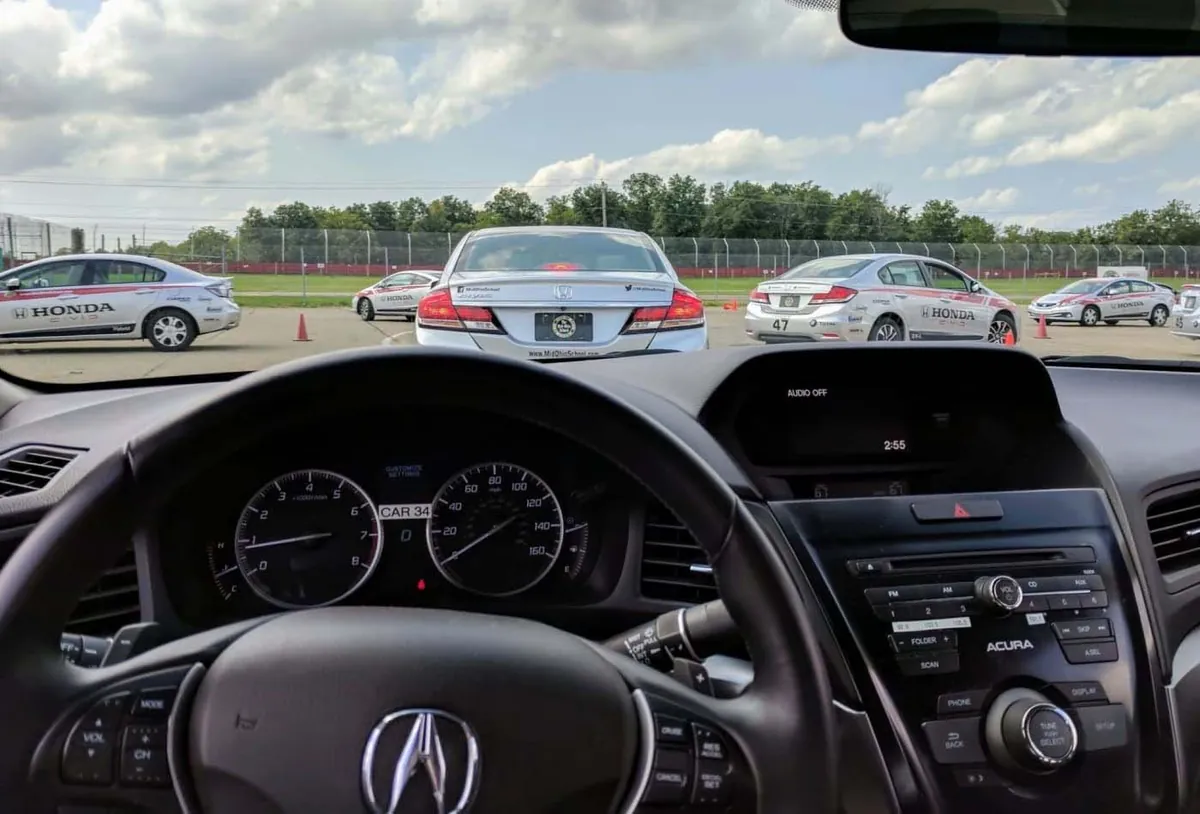
Early lessons are often more about mental bandwidth than raw driving ability. If the road is too busy too soon, many adults spend all their energy trying not to panic instead of learning from the situation.
Choosing calmer traffic windows creates more room to notice mirrors, signs, lane position, and timing decisions.
Practice windows that often feel easier
Mid-morning on weekdays is often easier than rush-hour periods because traffic tends to be steadier and less aggressive. Weekend mornings can also work well before the busiest afternoon shopping and errand traffic begins.
The exact conditions change by area and time of year, so the smartest move is to start with lower-pressure periods and build up as confidence improves.
Times many beginners may want to avoid at first
Very early school drop-off periods, evening commute traffic, and crowded weekend afternoons often feel harder for new adult drivers because there is less margin for slow decisions and more pressure from surrounding traffic.
That does not mean you should avoid those conditions forever. It just means they are usually not the easiest place to begin.
How to use easier practice times well
Use the calmer window to work on one or two skills with intention. Practice scanning, smoother stops, lane position, turns, or parking instead of just driving aimlessly.
Once those habits start to feel steadier, it becomes easier to handle busier conditions later.
- If you want more structure during those calmer windows, adult driving lessons can help.
- If your main issue is fear rather than timing, confidence-focused lessons may be the better first step.
Why easier time windows build skill faster
Lower-pressure traffic gives adult beginners more time to connect the instructor’s feedback to what is happening around them. That makes each practice minute more teachable.
Once the habits feel stronger in calmer conditions, it is much easier to move into busier time windows without losing control of the basics.
How to step up the challenge gradually
A practical progression might start in a calmer mid-morning window, then move toward busier midday roads, and only later add the heavier commuter conditions that demand faster judgment.
That kind of progression makes improvement feel steadier and less discouraging.
Choose the right traffic level for the lesson goal
Not every practice drive should happen at the easiest time of day. Quiet periods are useful when you are learning control, parking, and smoother turns. Slightly busier periods become useful later when you need to work on spacing, lane choice, and keeping calm around more movement.
The key is matching the traffic level to the skill. Practice feels more productive when the road gives you enough challenge to improve without overwhelming you.