- 818-640-8649
- Burbank CA
- 09:00 – 06:00 pm

Use Your Own Car or Rent an Instructor Car for the DMV Test?

What to Bring to a Burbank-Area DMV Road Test
March 17, 2026
Most Common Reasons Students Fail the Burbank Driving Test
March 17, 2026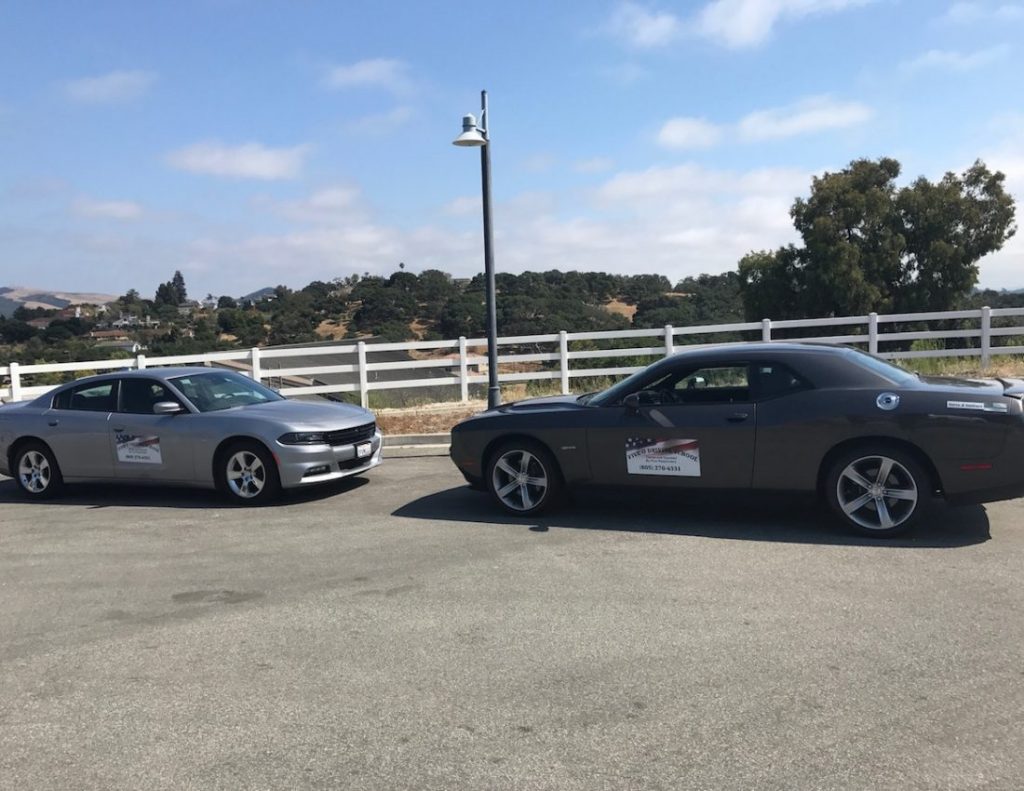
Comparison
Use Your Own Car or Rent an Instructor Car for the DMV Test?
Choosing the right car for the road test is about more than convenience. It affects confidence, familiarity, and the risk of last-minute problems. The better option depends on which vehicle will let you drive more calmly and which one is most likely to be fully ready on test day.
Why using your own car can make sense
Your own car may feel more familiar. You already know how the pedals respond, how the steering feels, and how the mirrors are set up. That familiarity can make you calmer if you have practiced in it consistently.
The downside is that you are fully responsible for making sure the vehicle meets the DMV’s safety and paperwork requirements.
Why an instructor car can make sense
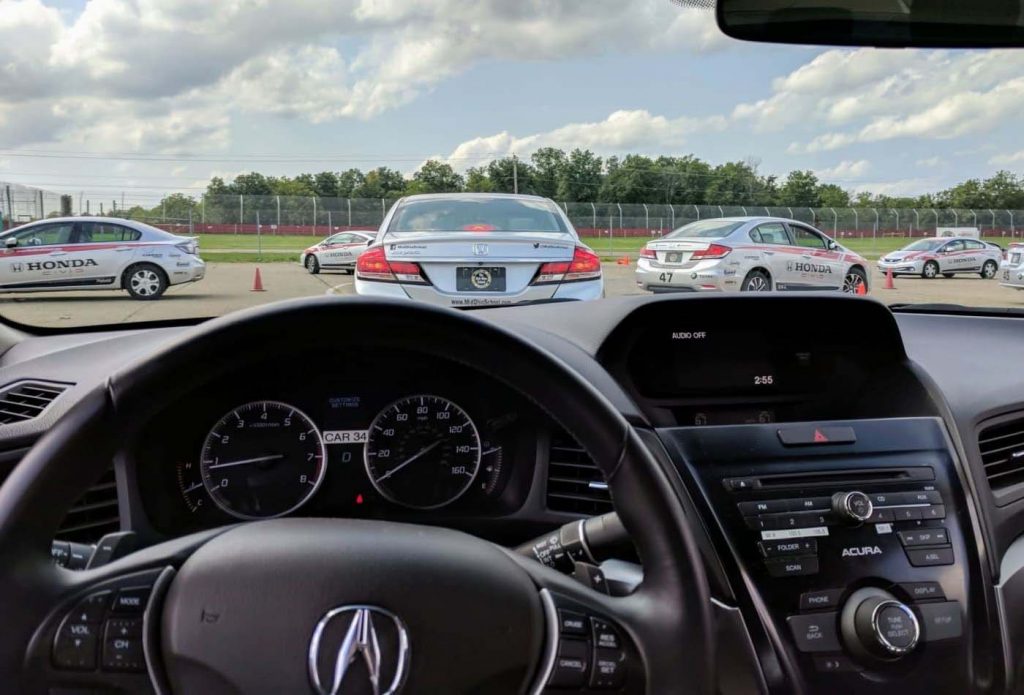
An instructor car may reduce stress when you know it has already been used regularly for teaching and test preparation. For some learners, that lowers the fear of small equipment problems.
The trade-off is that you need enough practice in that car to feel comfortable with the way it responds.
A simple trade-off table
| Vehicle choice | Main advantage | Main concern |
|---|---|---|
| Your own car | Familiar feel and routines | You must handle readiness and paperwork carefully |
| Instructor car | May reduce equipment uncertainty | You need enough comfort in the car before test day |
How to choose with less stress
Pick the vehicle that gives you the best combination of familiarity and reliability. If you drive your own car often and know it is fully ready, that may be the best choice. If you are more comfortable in the instructor’s vehicle and the package includes test-day support, that may be worth it.
Either way, review the test-day checklist and the DMV’s pre-drive safety criteria.
What matters more than the label on the vehicle
The most important factor is not whether the car is yours or the school’s. It is whether you can drive it smoothly and whether it is fully ready for the appointment.
A familiar but poorly prepared car is a problem. A well-prepared instructor car that you barely practiced in can also create stress. Familiarity and readiness need to work together.
How to decide before the final week
Do not leave this choice until the last moment. Decide early enough that you can practice in the same vehicle you expect to use on test day.
That gives you time to notice seating position, mirror setup, pedal feel, and turning radius before the appointment pressure arrives.
The better choice is the more reliable one
Familiarity matters, but reliability matters just as much. Your own car may feel more natural, yet that only helps if it is fully ready and you are confident there will be no equipment issues on test day.
An instructor car can reduce uncertainty because it is usually prepared for lesson and test use. The best option is the one that removes the most doubt while still letting you feel in control.
Frequently asked questions
Is it risky to switch cars close to the test?
It can be. A different mirror setup, brake feel, or turning radius may be enough to make the first few minutes feel less steady.
Does an instructor car make passing easier?
Not by itself. It can reduce equipment worries, but safe habits and calm decisions still matter most.
Should I practice in the same car I plan to use for the test?
Yes whenever possible. Familiarity with the vehicle can lower stress and make basic control feel more automatic.
Ready for the next step?
If you want help choosing the better vehicle for your road test, a focused prep package can help you compare the options and avoid last-minute surprises.