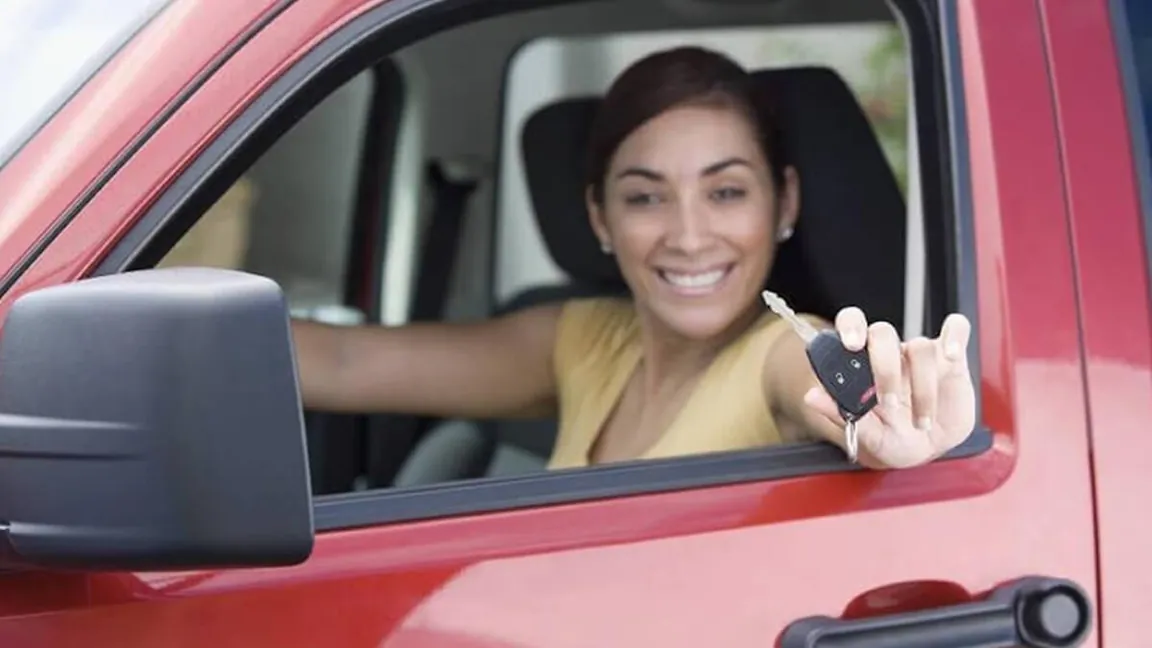
Before the lesson starts
The first few minutes matter because they shape the tone of the whole session. A strong instructor will make sure you are settled before expecting too much from you.
That usually means checking that you feel comfortable in the car, confirming basic paperwork or logistics if needed, and giving you a quick sense of how the lesson will work.
- Wear practical shoes that let you feel the pedals.
- Bring any permit or required documents that apply to your situation.
- Show up a few minutes early if possible so you are not starting already stressed.
How the instructor usually begins
Most first lessons start with seat position, mirrors, basic controls, and a short explanation of the route plan. If you are nervous, the instructor will often choose a quieter area first so you can focus on steering, braking, and scanning without heavy traffic pressure.
Even if you already practiced a little, the instructor may still begin with easy observations to see how you use mirrors, how smoothly you stop, and how comfortable you are making simple turns.
What you are likely to practice first
A first lesson is usually about control and awareness, not complex driving. You may practice starts and stops, lane position, turning, stop signs, speed control, and early mirror habits.
If you already have some experience, the lesson can move faster. The instructor may add lane changes, parking, or slightly busier streets once the basics look steady.
What good feedback looks like
Good feedback should feel clear and specific, not overwhelming. You should know what went well, what still needs work, and how to improve the same mistake next time.
The best instructors correct calmly in the moment and then summarize the lesson at the end so you leave with a plan instead of just a vague memory of the drive.
- You should hear practical corrections you can use right away.
- You should understand which skills need more repetition.
- You should know whether your next lesson should stay basic or add more challenge.
How to get the most out of the first lesson
Treat the first session as information, not judgment. The more honest you are about your nerves, experience, and goals, the easier it is for the instructor to shape the lesson well.
It also helps to practice the instructor’s exact corrections between lessons rather than mixing in too many new ideas from different people.
- If you are unsure whether one lesson is enough, compare private lessons and standard packages.
- If confidence is the main barrier, confidence-focused lessons may help.
How to get more value from the first session
Tell the instructor what feels hardest before the lesson starts. That may be basic steering control, traffic speed, left turns, parking, or simply feeling tense in the driver seat. Clear input at the start helps shape a lesson that feels more useful right away.
Try to leave the first session with one or two practice goals rather than a long list. A focused follow-up plan usually works better than trying to fix everything at once.